Our Special Education Needs Coordinator (SENCO), Michelle Tupper, leads a comprehensive Learner Support Programme designed to support the academic, pastoral, and social needs of students with additional learning needs or disabilities.
Our Tautoko/ Services
- Individualised Support (IEPs): Tailored Individual Education Plans for students with specific learning requirements.
- In-Class Assistance: Allocation of trained Teacher Aides, assistive technology, and specialised learning materials.
- Special Assessment Conditions (SAC): Reader-writer support, extra time, or computer use for NCEA internal and external assessments.
- Classroom Adaptations: Working alongside classroom teachers to differentiate teaching strategies so every student can engage with the curriculum.
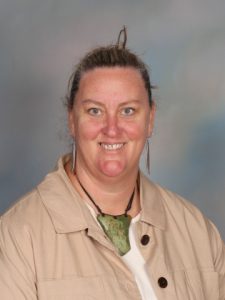
Michelle Tupper
SENCO/Learning Support HOD
07-868 8688 ext 812
michelletupper@thameshigh.school.nz
Junior Programme
Year 9 and 10 Strengthening Literacy
Support is provided to Year 9 and 10 students who need accelerated teaching in Literacy strategies so that they can access the English curricula and achieve at the curriculum level for their age.
Year 9 and 10 Extended Literacy
Year 9 and 10 students who need extension in English writing strategies are supported so that they can explore creative writing strategies.
Social Groups
Students who find social interactions and situations challenging are supported in a small group environment with strategies and coping tools to better cope with their mental and emotional wellbeing.
Senior Programme
NCEA Credit Support
The Learning Department provides supported NCEA programmes for students who are capable of achieving at NCEA. These courses are internally assessed and consist of Unit and Achievement standards.
VOC1 (Vocational) Programme
The Learning Support Department provides support and educational opportunities for senior students with additional needs to have a valuable learning opportunity and to assist with preparation for transition from THS and their role in our community.
Career Moves
Employment Service in Schools is for secondary school students who have a disability or health condition, including mental health condition or neurodiversity. This service helps the students, their family or whānau, and school plan for their future and explore job and career opportunities.
Special Assessment Conditions (SAC) Support
Special Assessment Conditions support can be in the form of a reader and/or writer, computer use, extra time, rest breaks or separate accommodation. This support is used for internal and external assessments.
SAC support is for identified students in Year 9-13 across the school who have specific learning difficulties such as: Dyslexia, Dyspraxia, Auditory Processing Disorder, ADHD, ASD, vision/hearing impairments, etc.
The Department provides information to teachers as to whether the identified students need accommodations and/or modifications so that they can access the curriculum and achieve.
The Department undertakes assessment of these students to establish whether they meet the SAC criteria and coordinates the provision of SAC support.
Meet our Learning Support Coordinator, Ann Hoover
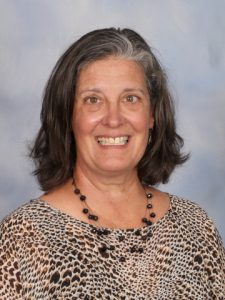
Ann Hoover
BA, MA, PgCert, PgDip
Learning Support Coordinator
annhoover@thameshigh.school.nz
Here is what she explains about her role:
The Learning Support Coordinator (LSC) role was introduced in 2020 to help fill gaps in learning support within schools. Because every kura is different, the role of an LSC can vary from one school to another.
As an LSC, it is important that we work closely with whānau, ākonga (students), kaiako (teachers), other LSCs, the Special Educational Needs Coordinator (SENCO), and the Senior Leadership Team. Together, we aim to ensure that all ākonga receive the support they need within the values and kaupapa of the kura.
The goal of an LSC is to provide the right support at the right time. We help connect ākonga and whānau with support available both within the kura and from outside agencies. We work with all ākonga, with a particular focus on supporting transitions. This includes transitions into high school, from junior school to senior school, and from school into further education, training, or employment. Building strong connections with whānau is a key part of our role and one of the reasons the LSC position was established.
A significant part of our mahi involves working alongside the SENCO, whānau, and ākonga to support neurodiverse learners. Neurodiversity refers to the different ways people think, learn, process information, and interact with the world. Examples include Attention Deficit Hyperactivity Disorder (ADHD), Dyslexia, Dyscalculia, Dyspraxia, Auditory Processing Disorder, and Giftedness.
LSCs help coordinate and facilitate Individual Support Plans (ISPs) and Individual Education Plans (IEPs) for ākonga with additional learning needs. We also support ākonga who may be disengaged from learning or experiencing behavioural challenges. This can include helping to develop Positive Behaviour Plans and working with kaiako to implement effective strategies that support success in the classroom.
We encourage kaiako to use a strength-based approach to learning through Universal Design for Learning (UDL). UDL is based on the idea that learning environments should be designed to meet the needs of all learners from the beginning. A useful example of an UDL approach is the ramp outside a building. While ramps are designed to support people who use wheelchairs, they also benefit many others, including parents with strollers, older adults, and people recovering from injuries.
By using UDL principles, we can create inclusive classrooms where every learner feels valued, supported, and able to succeed.
If you have any questions or concerns, please feel free to contact me.
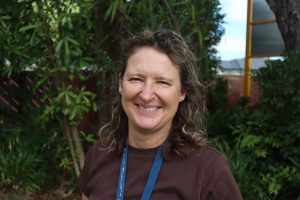
Shelley Johnston
Te Ara Whakamana
shelleyjohnston@thameshigh.school.nz
Te Ara Whakamana
(Mana Enhancement / Pathway to Empowerment) is a culturally grounded, strengths-based framework designed in Aotearoa New Zealand. It provides a supportive alternative and re-engagement pathway for taiohi (students) who need flexible, tailored learning support outside standard classroom settings.
The programme focuses on the following key aspects:
Core Framework & Foundation
-
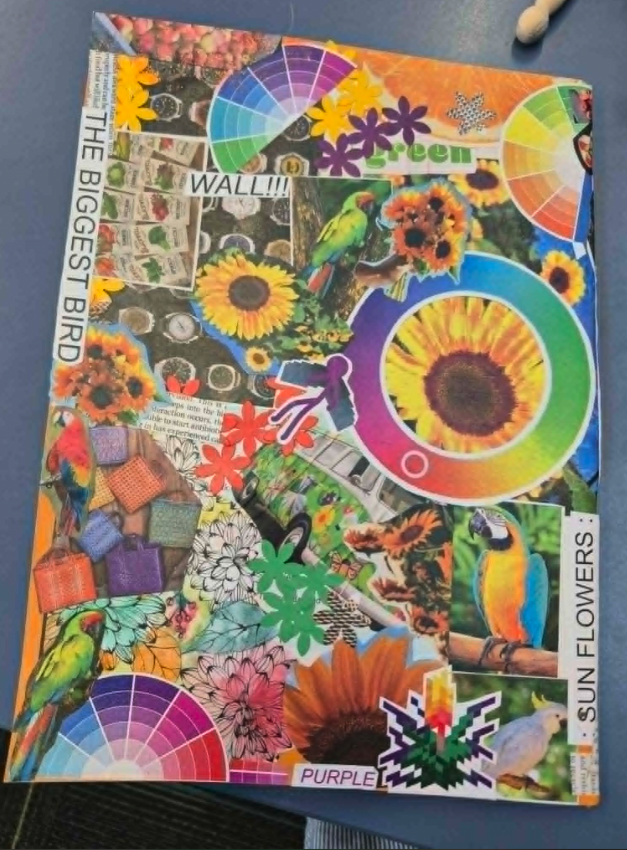
Culturally Centred & Strengths-Based: Uses stories, cultural imagery, colours, and metaphors (such as the Māori creation story) to help students connect with their mana (intrinsic strength and spiritual authority), build self-awareness, and develop emotional self-regulation.
-
Personalised Learning Plans: Works directly with the student (taiohi), whānau, SENCO, Learning Support Coordinator (LSC), and leadership to co-design Individual Education Plans (IEPs) and clear Pathway Plans tailored to their goals.
Key Operations & Learning Approach
-
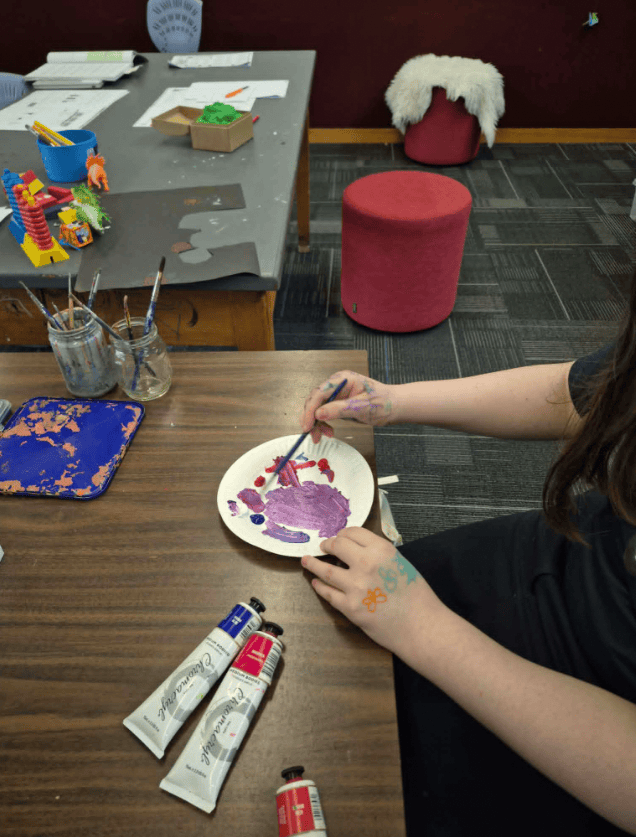
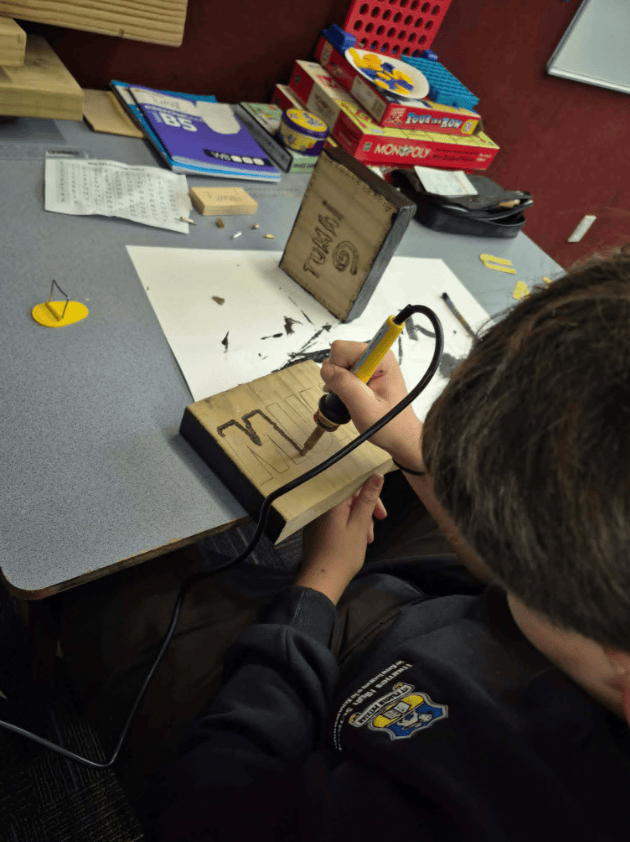
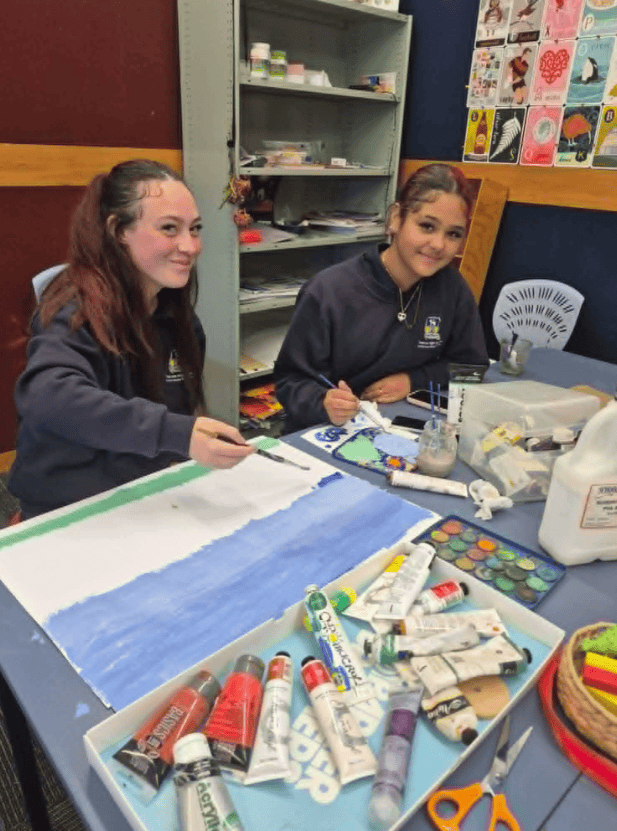
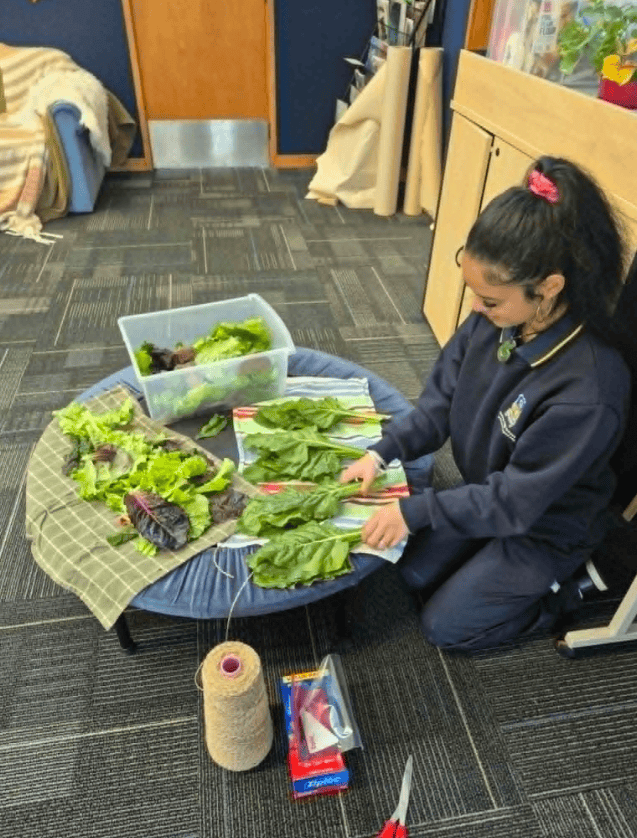
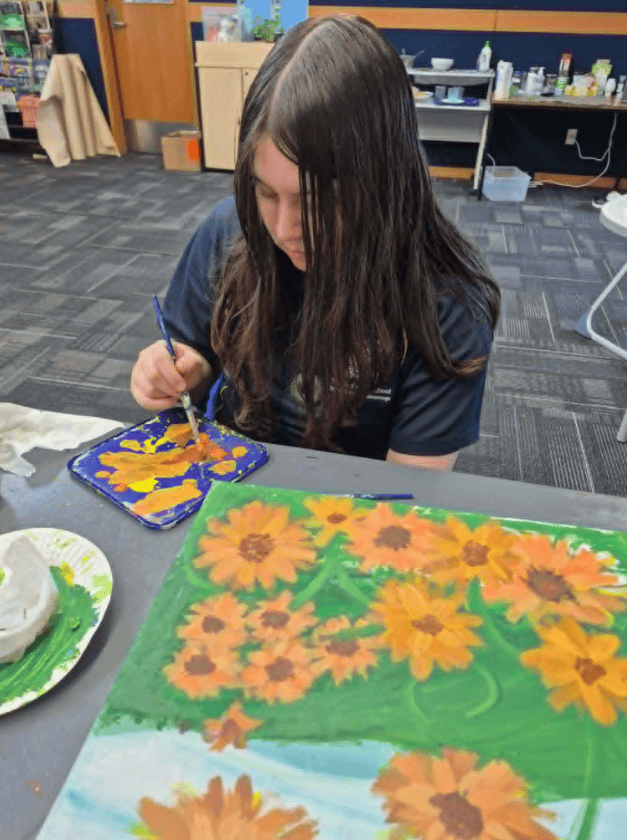
Flexible Learning & Transition: Combines small-group homeroom support with participation in selected mainstream classes (e.g., Art, PE, Technology) to assist students in transitioning into high school or onward to further education, training, and employment.
-
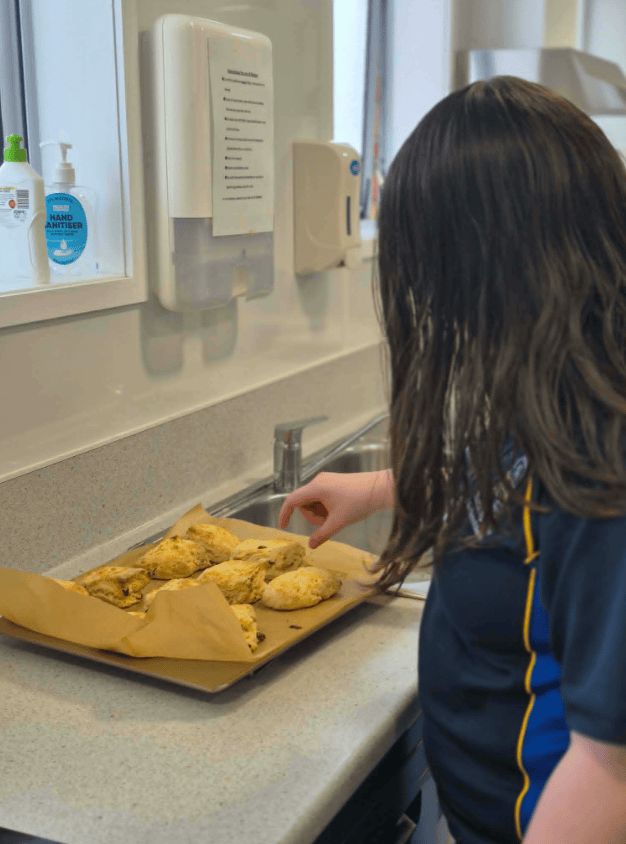
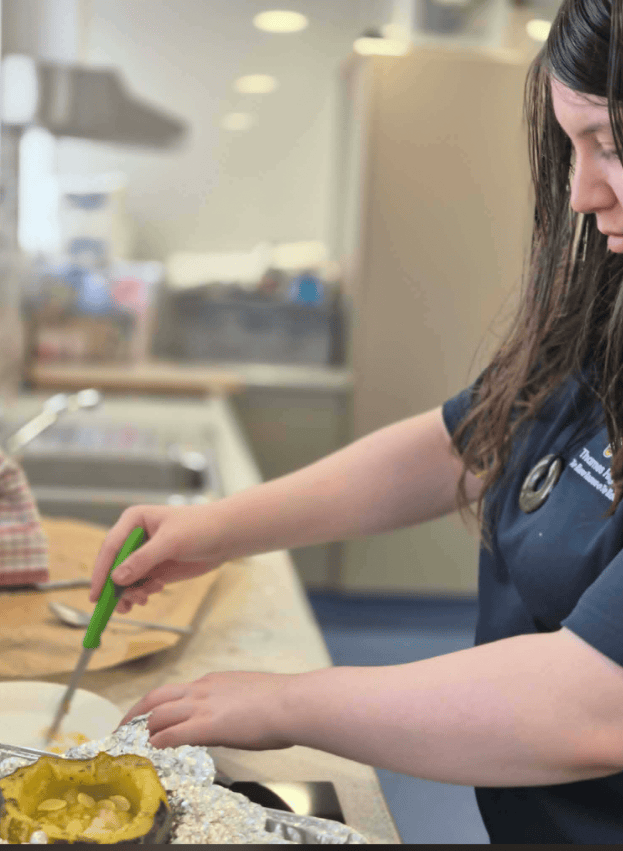
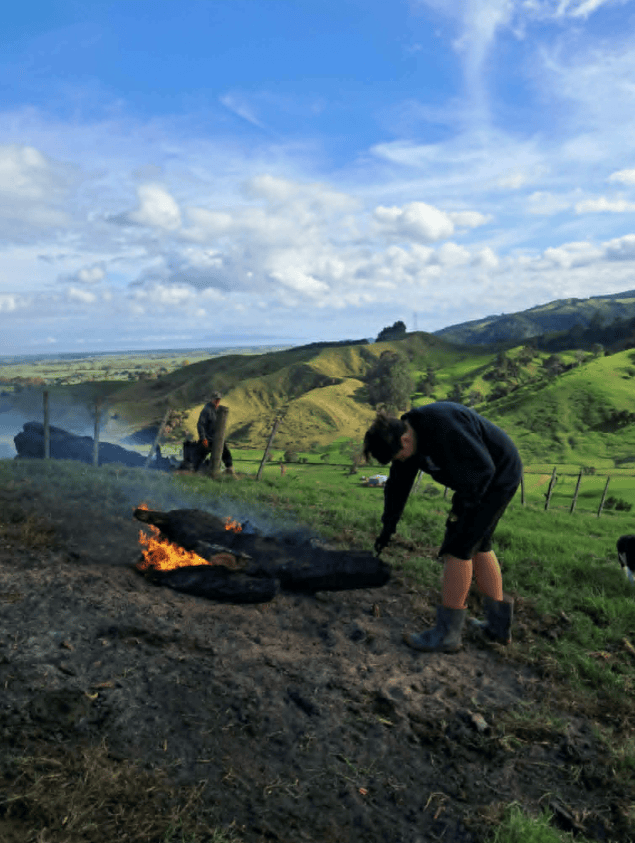
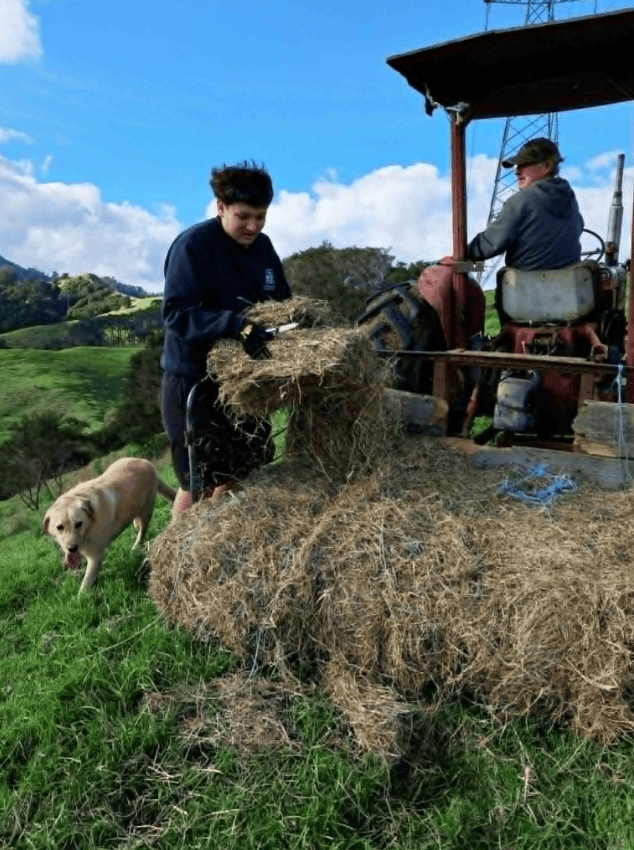
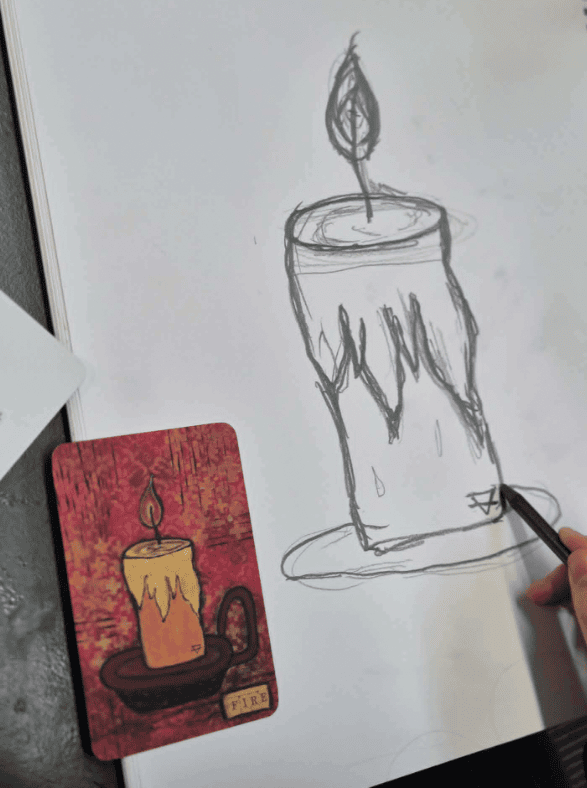
Practical Literacy & Numeracy: Embeds core literacy and numeracy instruction into real-world, hands-on, project-based tasks.
-
Community & Workplace Connections: Connects students with local agencies, employers, and organisations (e.g., community groups, vocational training) to provide practical work experience and broaden future career pathways.
-
Positive Wellbeing & Routines: Maintains low staff-to-student ratios to offer calm, consistent mentoring, positive behaviour coaching, and strong relational support for disengaged or neurodiverse learners.